Measure the light where leaves will grow
Check each pot position over several days. A bright skyline does not mean direct sunlight reaches plants under an overhang. Count direct sun even when it arrives in separate morning and afternoon periods, and revisit your record as the season changes.
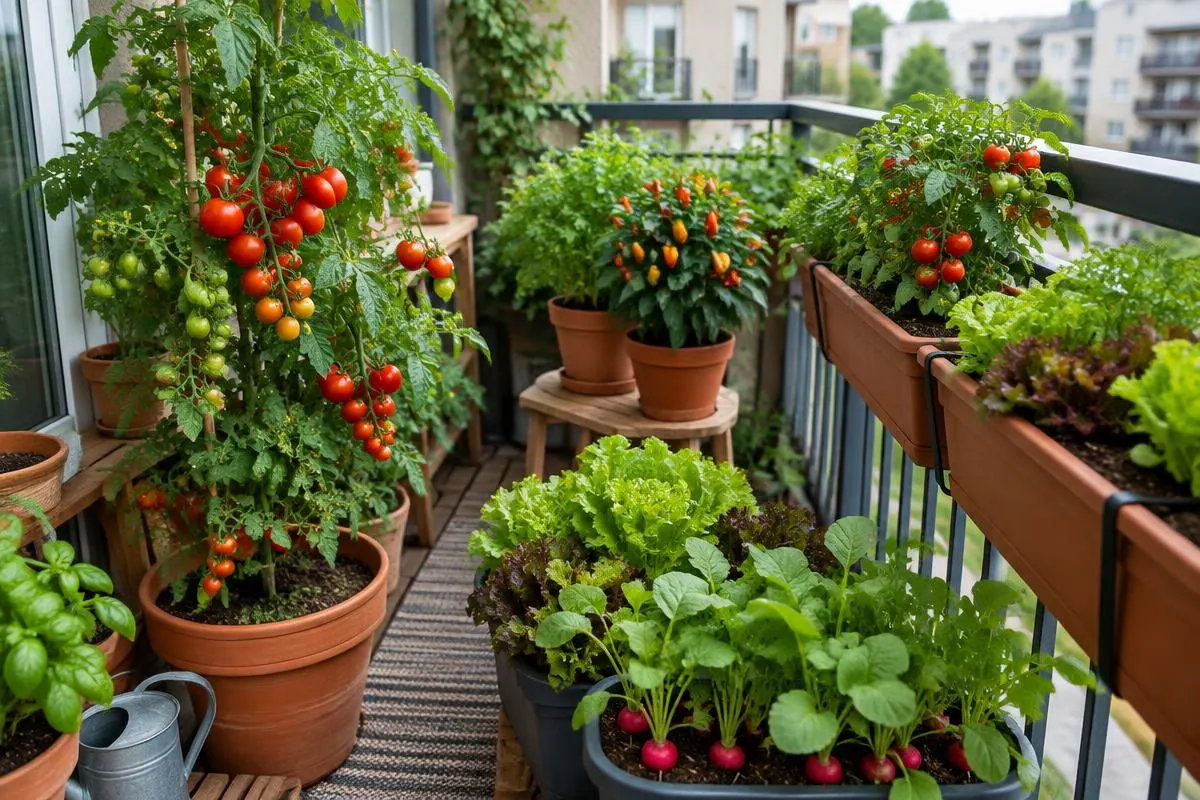
With useful direct sun, one compact tomato or a warm-season herb can be a trial. Fruiting vegetables generally need more direct light than leafy crops. With partial shade, start a modest parsley or leafy-green planting and watch growth rather than expecting a tomato harvest.
Rainy weather and a sheltered pot are different things
JMA climate normals show substantial rainfall in Tokyo from June through October. Normals describe a long-term station pattern, not water delivered to your balcony. An overhang may keep a pot almost dry while a pot near the edge receives driving rain.
Use open drainage holes and container potting mix. Check both soil moisture and drainage after wet weather; empty collected water from saucers. Keep foliage from crowding into a dense mass and inspect plants regularly. Do not water merely because a weekly calendar says to, or skip checking because rain is forecast.
Prepare for summer heat without abandoning useful light
Tokyo has warm, humid summers. West-facing walls and paving can add heat to container roots. Give pots room for air to move, inspect them during hot spells, and move small pots to a less harsh position when necessary. Fixed shading equipment needs building approval.
Cool-season lettuce can struggle during hot weather even with adequate light. A crop sold locally for a different season is not automatically a good summer choice. Use cultivar instructions and actual temperatures; avoid forcing a nationwide month-by-month schedule onto your balcony.
Keep evacuation features completely clear
UR resident guidance warns against pots on railings and objects blocking emergency routes or escape ladders. Check your own building rules, keep access to escape hatches and breakaway partitions clear, and never assume a rooftop gardening example proves your balcony can carry a heavy planter.
Before strong winds, move manageable containers to a safer approved position inside the balcony. Do not add unauthorized fastenings to shared railings. Clear drains of leaves and soil, and control water so it does not reach neighboring homes.
Use a small seasonal record
Begin with one herb and one suitable vegetable. Note light, moisture, a new leaf and any pest signs in My Garden. Local forecasts and seed-packet temperatures guide planting better than a city name alone.
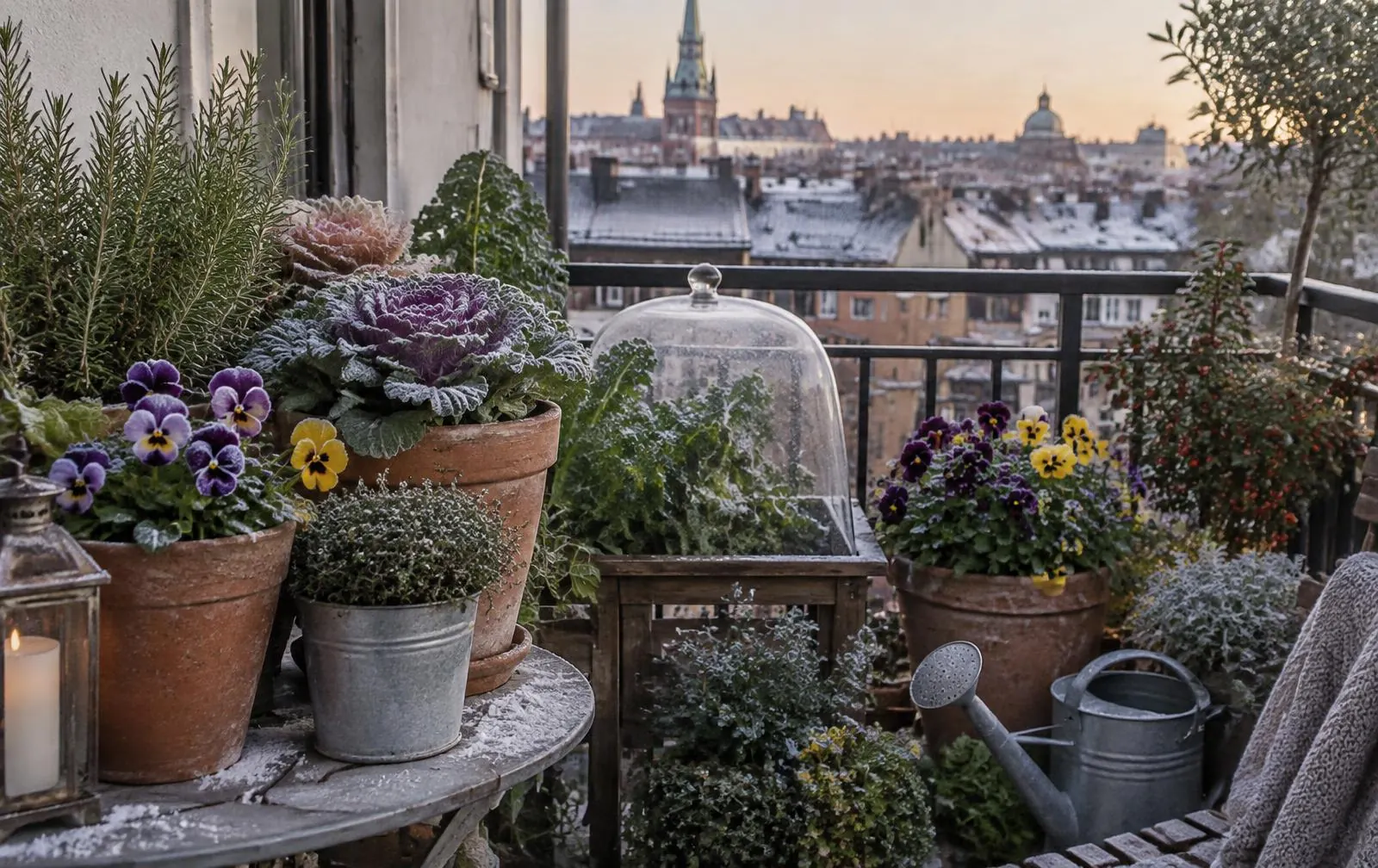
Winter growth can slow as light and temperatures fall. Sheltered does not mean frost-proof, and covers do not guarantee protection. Keep the next planting small until you have observed a full change of season.
Sources
- Japan Meteorological Agency — 1991–2020 climate normals
- UC Cooperative Extension — Growing vegetables in containers
- UR Community — Balcony use and evacuation safety
Climate normals are long-term context. Current weather, cultivar instructions and building rules take priority.
See sample pages and current purchase details in the shop.